All Articles
Die Steel

Die Steel: Properties, Applications & Selection Guide

Understanding die steel grades, their properties and applications helps manufacturers select the right material for demanding tooling requirements.

12 Aug 2026 6 Min Read
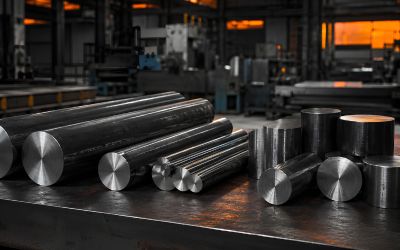
Die steel blocks and tooling material Die Steel
STEEL INSIGHTS / 12 Aug 2026

Choosing the right die steel starts with understanding the application.

Die steel plays a critical role in tooling applications where hardness, wear resistance, toughness and dimensional stability directly influence tool life and production performance. Selecting the right grade therefore requires more than simply choosing a hard material.

01

What Is Die Steel?

Die steel is a specialised tool steel used to manufacture dies, punches, moulds and other tooling components exposed to repeated mechanical loads. Depending on the application, the material may need to withstand impact, compression, abrasion, heat or a combination of these conditions.

The correct steel grade is normally selected according to the working environment, required hardness, tooling geometry, production volume and heat-treatment requirements.

  • High hardness and wear resistance
  • Good toughness for demanding tooling conditions
  • Dimensional stability after heat treatment
  • Machinability before final hardening
02

Why Material Selection Matters

A die operates under repeated loading, and even small differences in material behaviour can affect service life. Excessive wear can change the dimensions of the finished component, while insufficient toughness can increase the risk of chipping or cracking.

For this reason, material selection should consider the actual operating conditions rather than relying only on nominal hardness.

  • Expected production volume
  • Type and intensity of loading
  • Wear and abrasion conditions
  • Required surface finish and dimensional accuracy
03

Common Applications

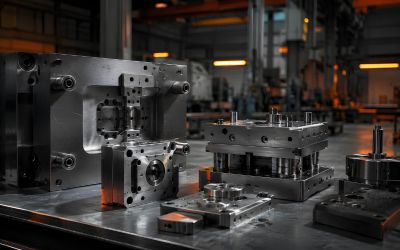
Die steel is commonly used in press tools, forming dies, punches, moulds and industrial tooling. Different grades can be selected depending on whether the application places greater emphasis on wear resistance, toughness, machinability or dimensional stability.

Correct heat treatment is equally important because the final performance of the tooling depends on both the material grade and the treatment process.

  • Press tools and forming dies
  • Punches and cutting tools
  • Moulds and tooling components
  • Precision industrial tooling
Need Material Guidance?

Let's discuss your requirement.

Talk to our team about grades, sizes, availability and application requirements.

Make An Enquiry